
Traveler Brief: Travel,Adventure
This article covers details concerning Travel,Adventure. Sahan Tourism organizes complete guided trips, logistics, security details, and tour arrangements for the places detailed here.
The short answer
The best time to visit Somalia is from December to February. These months are dry across most of the country, the coast is warm without the worst of the heat, and the highlands around Hargeisa are pleasant day and night. October and November are a good second choice, with short rains that rarely stop travel.
The right month still depends on where you are going. Somalia stretches more than 3,000 km along the coast, from the Red Sea gateway at Berbera to Kismayo near the Kenyan border, and the weather in Mogadishu, Hargeisa and Bosaso can be very different in the same week. This guide breaks it down by season and region so you can plan with confidence.
The four Somali seasons
Somalis divide the year into four seasons, shaped by the monsoon winds over the Indian Ocean:
| Season | Months | What to expect |
|---|---|---|
| Jilaal | December to March | Dry, sunny and the most popular travel season. Hot in the south by March. |
| Gu | April to June | The main rainy season. Heavy showers in the south and centre, green landscapes. |
| Xagaa | July to September | Southwest monsoon. Breezy and slightly cooler on the southern coast, very hot in the north. |
| Deyr | October to November | Short rains, often in afternoon bursts. Good travel conditions overall. |
Mogadishu and the southern coast
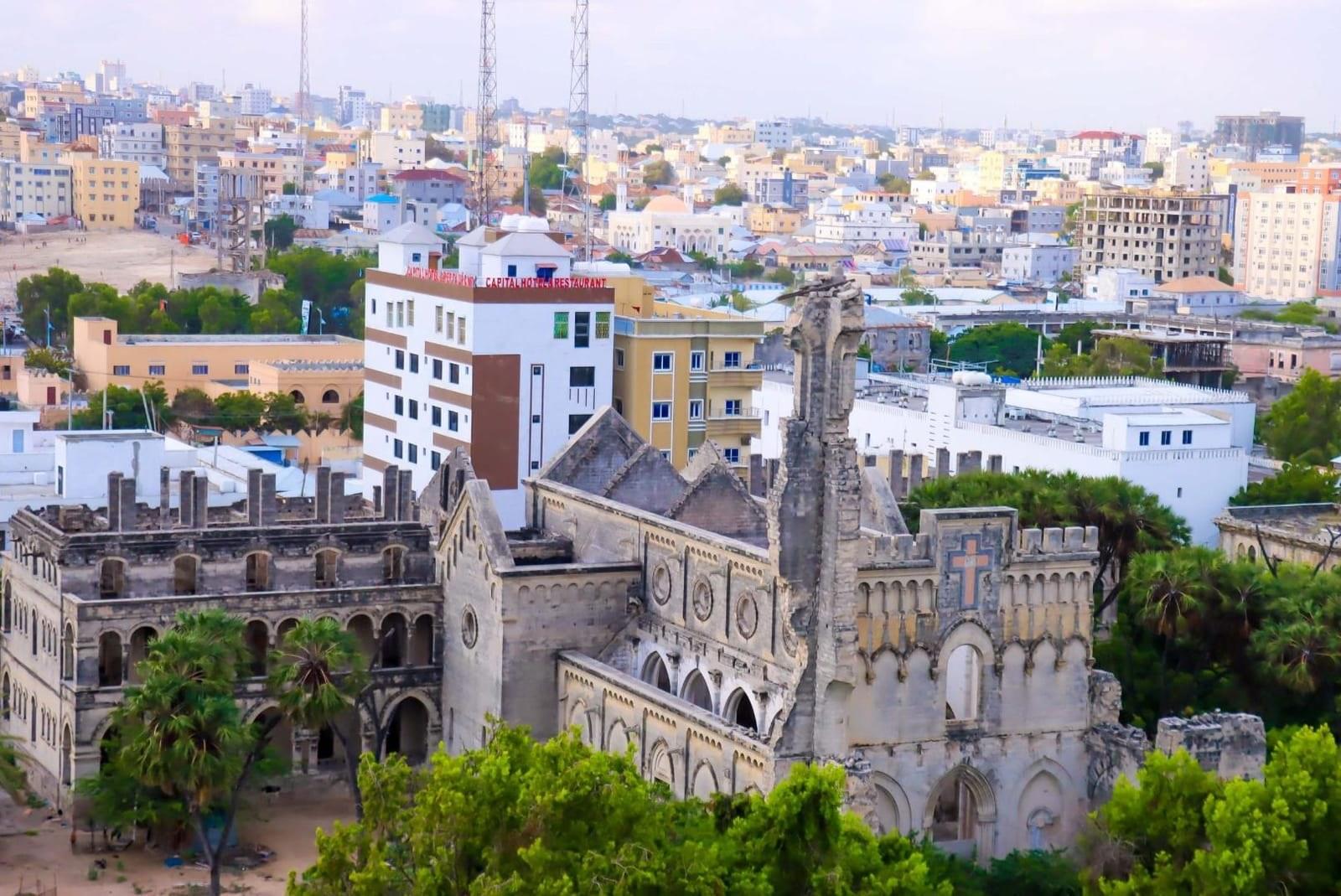
Mogadishu is warm all year, with daytime highs of around 28 to 32°C and humid nights. The sea breeze keeps the coast comfortable compared with inland areas.
- December to March is the best time for Lido Beach, sea swimming and long city days. It is dry and sunny.
- April to June brings the Gu rains. Showers are short but can be heavy, and roads outside the city become harder.
- July to September is breezy, with a rougher sea. It is a fine time for city sightseeing, less so for swimming.
Planning a city break? Our things to do in Mogadishu guide and Mogadishu tours page will help. The same pattern applies further south in Kismayo and Jubbaland.
Hargeisa and the Somaliland highlands
Hargeisa sits on a plateau at about 1,300 metres, so it is cooler than the coast. Days are warm and nights can be fresh, especially in December and January, when you will want a light jacket in the evening.
- October to March is ideal for Hargeisa, Laas Geel and the Sheikh mountains.
- April to May brings some rain to the highlands, which turns the hills green.
- June to August is still comfortable in Hargeisa, but strong dusty winds are common.
See our Somaliland destination page for routes in the north.
Berbera and the Gulf of Aden coast
Berbera and the northern coast are among the hottest places in Africa in summer. From June to September, daytime temperatures often rise above 40°C. Plan coastal time in Berbera between November and February, when it is warm, sunny and comfortable for the beach and old town. Our Berbera destination page lists tours that include it.
Puntland
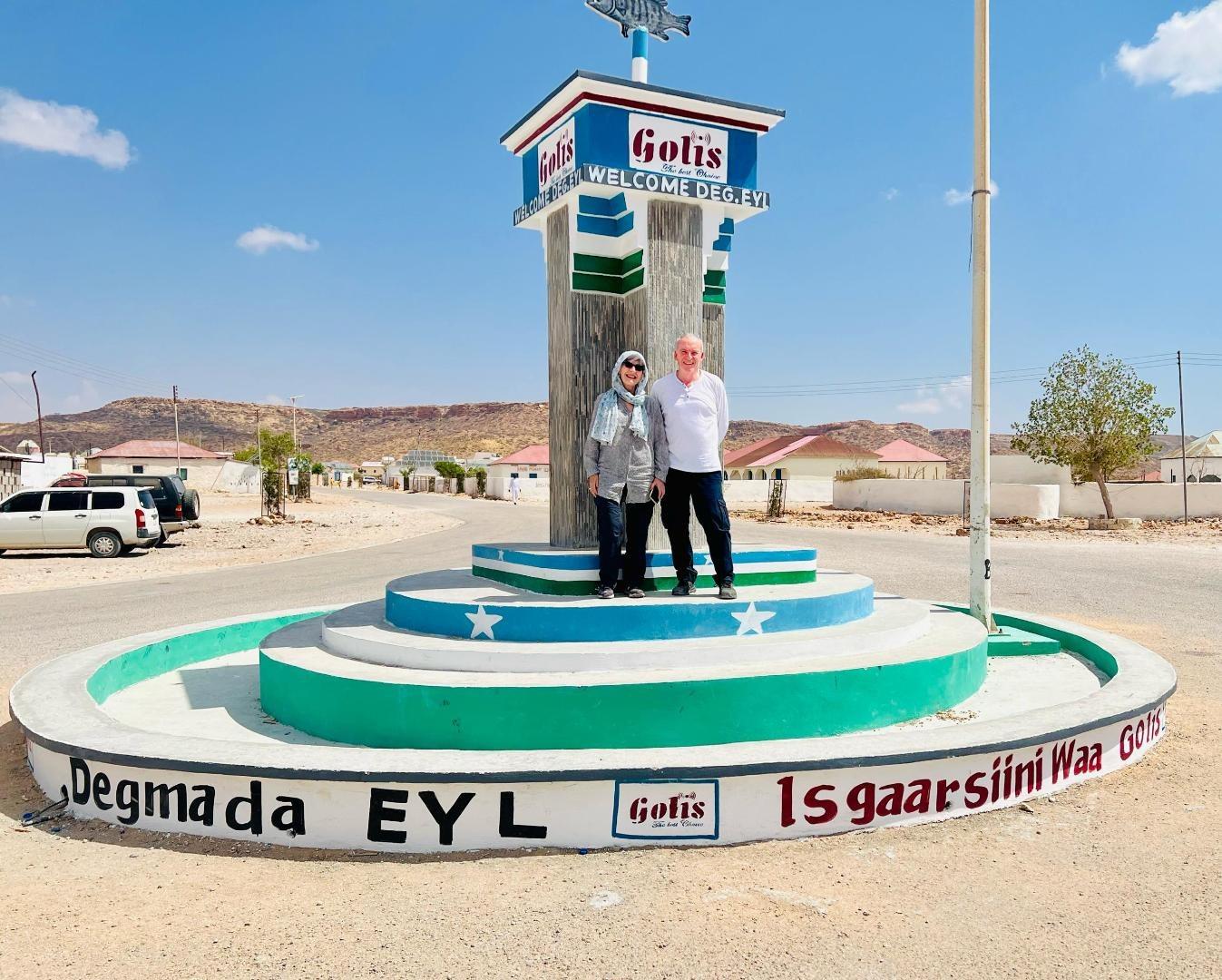
Puntland follows a similar pattern. Bosaso, on the Gulf of Aden, is extremely hot in summer. Garowe, inland, is dry and hot for much of the year, and Eyl on the Indian Ocean has a sea breeze. November to February is the best window for Hafun and Cape Guardafui, where long road days are easier in cooler weather. Read our full Puntland travel guide for details.
Ramadan and Eid
Travel during Ramadan is possible and can be a memorable experience. Days are quieter, most restaurants close until sunset, and evenings come alive with iftar meals and busy streets. Plan for slower days and shorter opening hours. Eid al-Fitr and Eid al-Adha are joyful holidays, but flights and hotels book up and offices close for several days. Ramadan moves about 11 days earlier each year, so check the dates for your travel year before booking. Our travel planning guide covers this in more detail.
Combining Somalia with the wider region
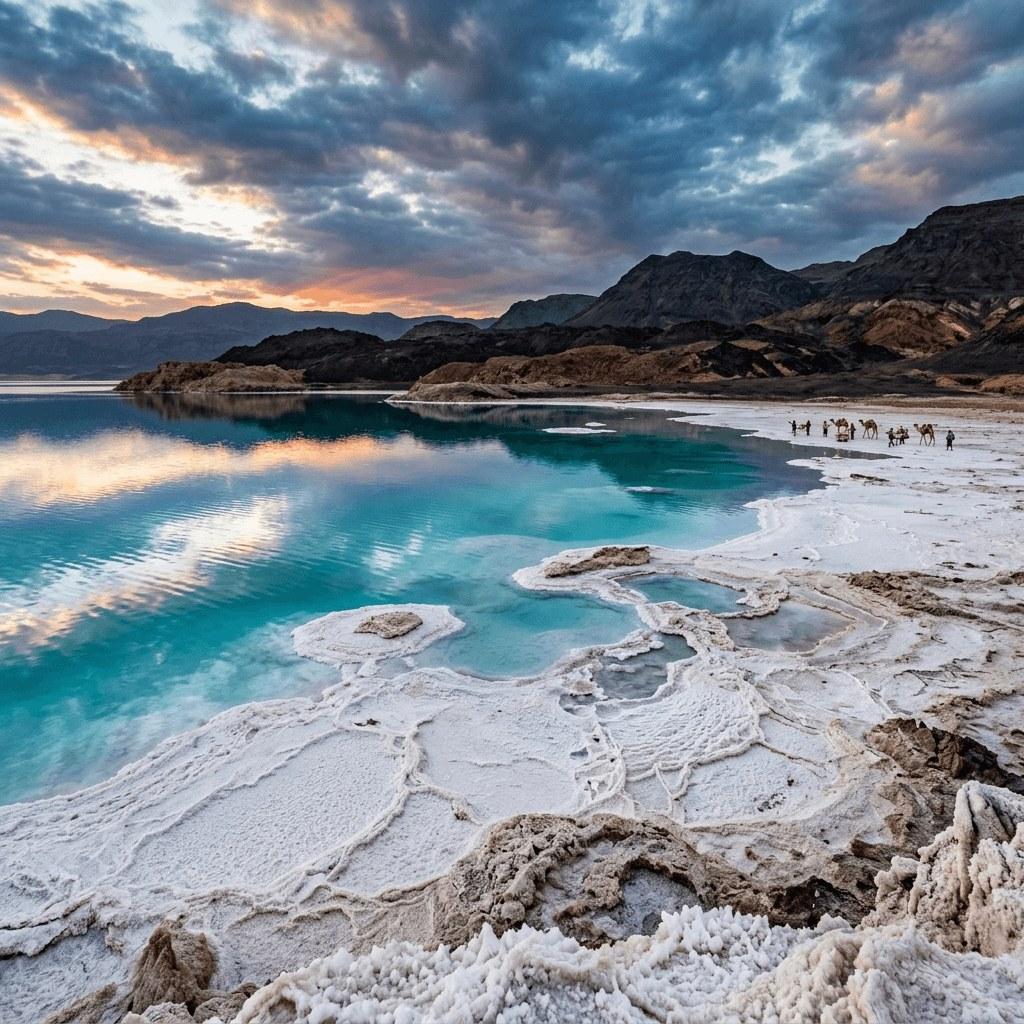
If you plan to add Djibouti, the whale shark season in the Gulf of Tadjoura runs from roughly November to February, which lines up well with the best months in Somalia. Read our guide to East Africa tours for multi country routes.
What to pack for each season
Pack light, breathable clothing that covers arms and legs for every season. Somalia is a conservative country, and loose cotton or linen keeps you cool while respecting local dress. Women should bring a scarf to cover their hair in public.
- December to March: add a light jacket or fleece for evenings in Hargeisa and the Sheikh mountains, plus swimwear for Mogadishu and Berbera.
- April to June: bring a compact umbrella or rain jacket and shoes that can handle mud.
- July to September: pack a scarf or buff for dusty winds in the north, and plenty of sun protection for the coast.
- All year: sunglasses, a hat, high factor sunscreen, a refillable water bottle and any personal medicines.
Frequently asked questions
What is the best month to visit Somalia?
January is the best single month for most routes. It is dry, sunny, comfortable in the highlands and pleasant on the coast.
When is the rainy season in Somalia?
Somalia has two rainy seasons: the main Gu rains from April to June and the shorter Deyr rains in October and November.
How hot does Somalia get?
Mogadishu stays around 28 to 32°C during the day all year. The northern coast, including Berbera and Bosaso, can pass 40°C between June and September.
Can I visit Somalia in summer?
Yes. Mogadishu and Hargeisa are both manageable in summer. Avoid long coastal stays in Berbera and Bosaso from June to September. Contact our team and we will suggest the best route for your dates.
Export Itinerary & Planner Details
Save a copy of the travel details, budget estimates, and checklist details for this route directly to your device as a checklist report.